
This research compares codes of conduct and whistleblowing systems of ASX200 companies and identifies gaps in their coverage and content.
Key findings:
COVERAGE OF KEY TOPICS IN CODES OF CONDUCT IS WEAK
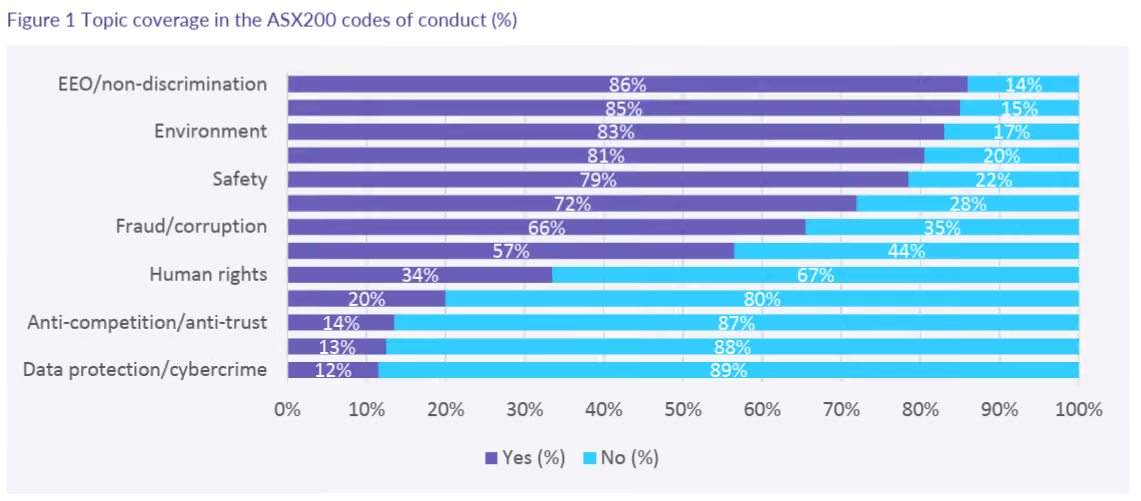
Sixty-seven per cent failed to cover five of the 13 recommended topics in their code of conduct (Figure 1). The omissions include several well-known business risks, including: fair dealing/product responsibility, data protection and cybercrime, anti-money laundering and counter-terrorism finance (AML/CTF). Overall, ASX50 companies had better coverage than the ASX51-200, but there were still significant gaps among their coverage. Companies whose codes of conduct do not include key topics miss an important opportunity to manage these risks.
CODES OF CONDUCT ARE NOT BEING REGULARLY REVIEWED
Guidance issued by the New York Stock Exchange (NYSE) recommends that codes of conduct be reviewed after significant corporate compositional changes or two years. We found that 116 ASX200 codes of conduct (58 per cent) had not been reviewed in last two years or were undated. Fifteen codes of conduct (8 per cent) five years or older.
‘TONE FROM THE TOP’ AND USABILITY NEEDS TO BE IMPROVED
Endorsing a code of conduct (via an introduction) is a signal of support by the Chief Executive Officer (CEO) and an essential element in setting the tone from the top. Only 56 ASX200 codes of conduct (28 per cent) include an introduction by the CEO. A key factor in determining whether a code of conduct will be effective is the ease with which it can be read, interpreted and put in to action. The use of case studies, questions and answers (Q&As) and frequently asked questions (FAQs) contributes to readers’ understanding of a code of conduct, yet only 34 ASX200 companies (17 per cent) do this.
VERY FEW CODES OF CONDUCT DEMONSTRATE LEADING PRACTICE
Across the ASX200, only 11 codes of conduct (6 per cent) demonstrated leading practice, as measured by being two years old or less, using examples, Q&As or case studies and setting a tone from the top by having a CEO introduction. Clearly, there is significant opportunity for ASX200 companies to improve the quality of their codes of conduct.
VITAL FEATURES ARE MISSING FROM MANY WHISTLEBLOWING SYSTEMS
There are a range of essential features that should be included in a whistleblowing policy and implemented to make a whistleblowing system effective (Table 1). Many ASX200 companies do not disclose if they offer anonymity (91 companies or 45 per cent), 24-hour availability1 (97 companies or 48 per cent) or a commitment that retaliation is not acceptable (71 companies or 36 per cent). Whistleblowing is the initial source of detection for 39 per cent of frauds2 and the code of conduct is the document most widely distributed to employees. Yet 38 ASX200 codes of conduct (19 per cent) had no reference to whistleblowing. This is a significant missed opportunity for companies to detect fraud as well as other types of wrongdoing.
RECOMMENDATIONS TO REDUCE THE RISK OF POOR CORPORATE CULTURE
We have developed three recommendations for investors and companies to address gaps in ASX200 codes of conduct and whistleblowing systems. First, investors and directors should ask relevant questions of boards and company management. Active questioning will encourage boards to have more robust oversight of codes of conduct and whistleblowing systems. This research includes a list of suggested questions regarding the code of conduct and whistleblowing. Second, the ASX ‘Corporate Governance Principles and Recommendations’ (ASX Principles and Recommendations) are due for revision in 2018. We are actively advocating for improvements to address weaknesses in companies’ codes of conduct and whistleblowing systems identified by this research. Finally, the Commonwealth Government introduced the Treasury Laws Amendment (Enhancing Whistleblower Protections) Bill 2017 in December. We think the draft Bill does not go far enough to promote effective whistleblowing protections. We will be advocating for additional protections and encourage other investors to do the same.